
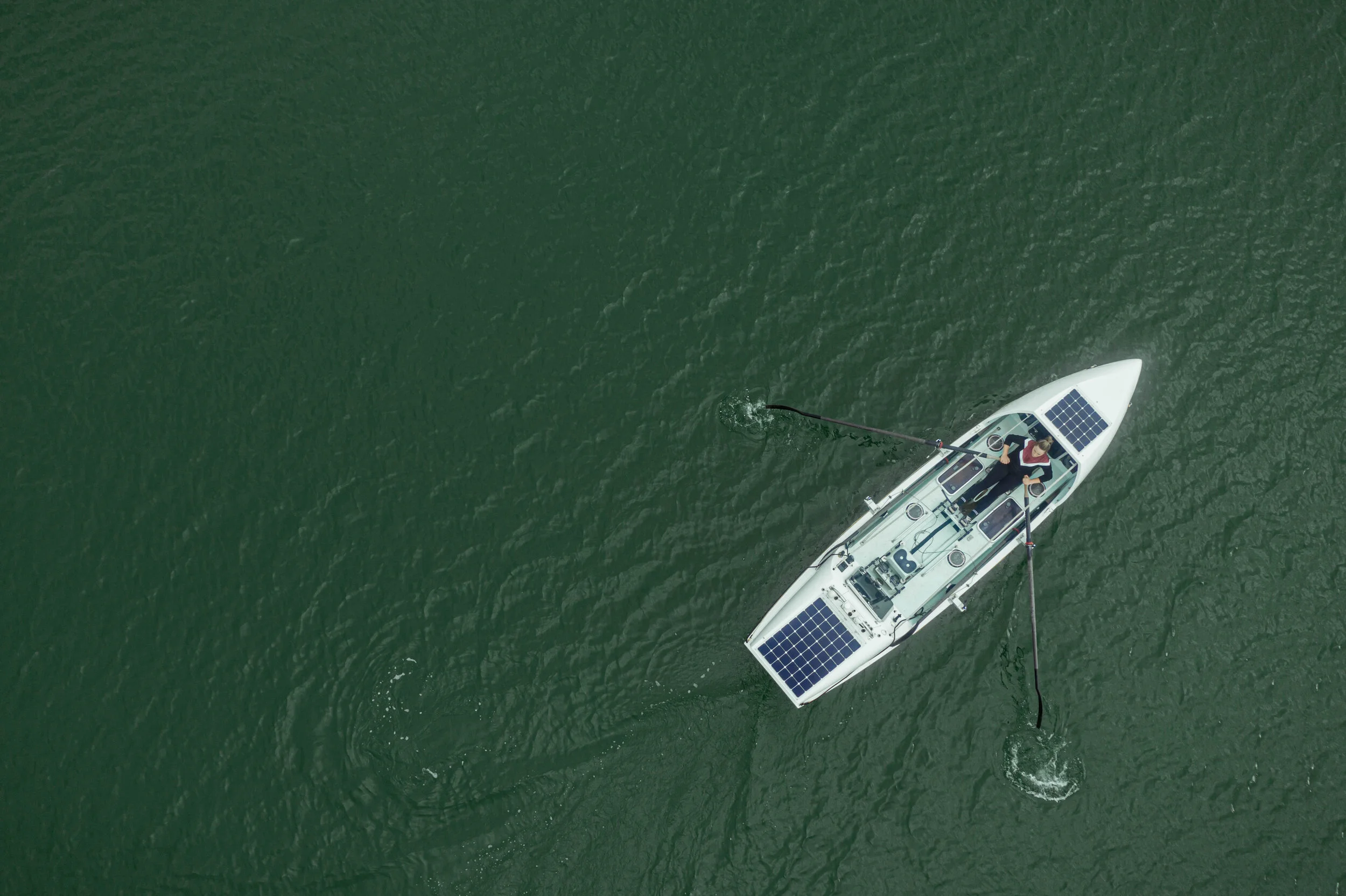
Pushing the boundaries of endurance, Victoria departed from the Canary Islands and traversed over 3000 miles (5000km) of vast ocean alone to reach the finish line in Port St. Charles, Barbados in the Caribbean. This one event required nearly 4 years of focused training and qualifications including RYA Sea Survival, RYA First Aid, RYA Essential Navigation and SRC Radio Operator.
Crossing the Atlantic from East to West along the Trade Winds I route was the challenge of a lifetime and provided a fantastic platform to raise money for, and awareness about the charity ‘Women In Sport’.
The crossing required in excess of 1.5 million strokes of the oars in an ocean which, at its most vast, is 5.2 miles deep. Scroll down for more details of the challenges Victoria faced.
More people have climbed Everest or been to space than have rowed the Atlantic. Less than 15 women have done it solo.
Challenges
The distance is only one of the challenges that must be overcome during the crossing.
ROUTINE – 16-18 hours of rowing a day with a max 6 hours sleep, often far less. The remainder of the time was spent cooking, making water, cleaning, undertaking maintenance etc.
PREPARATION - Months of training to be fit enough, with preparations beginning two and a half years in advance.
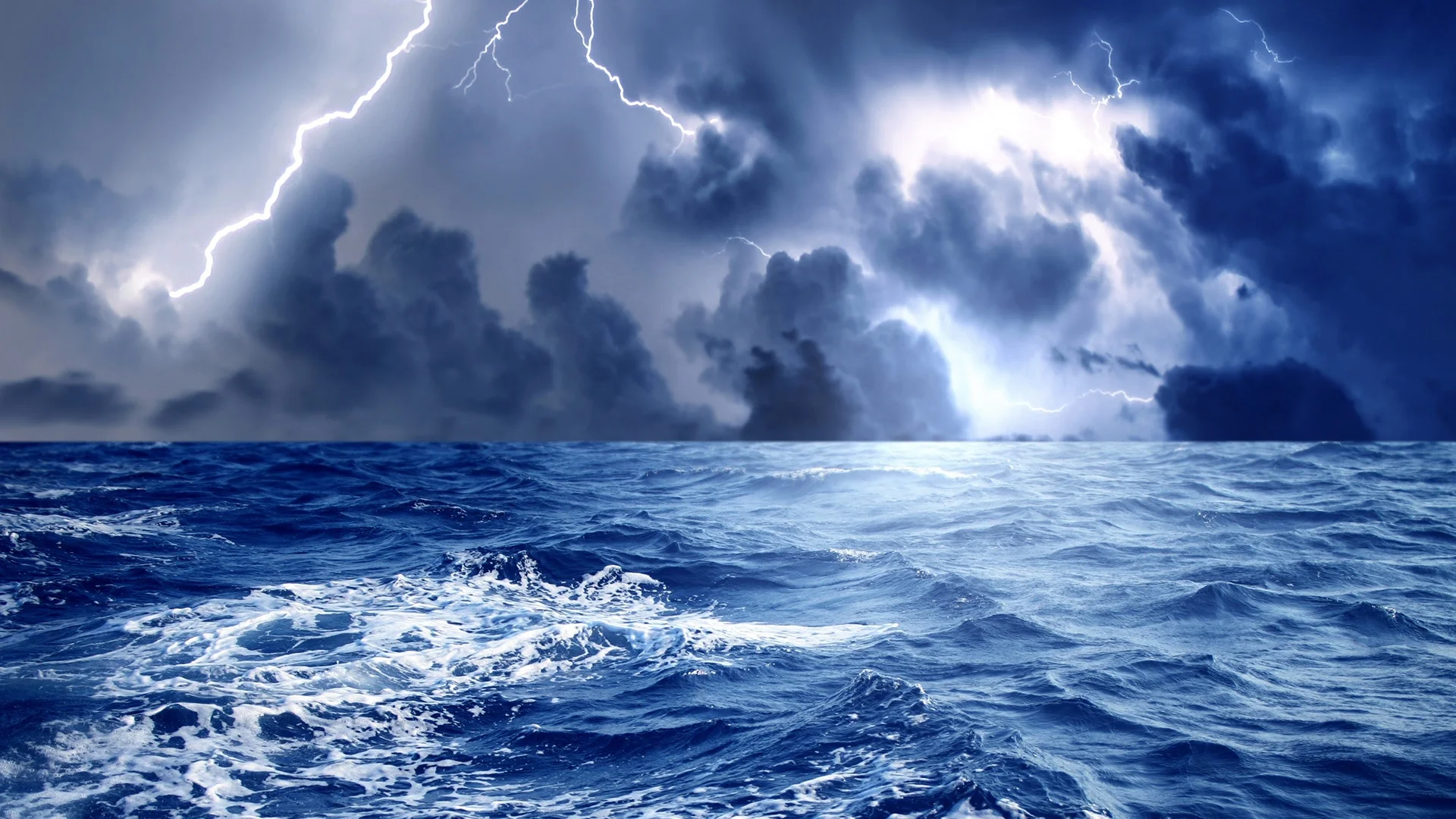
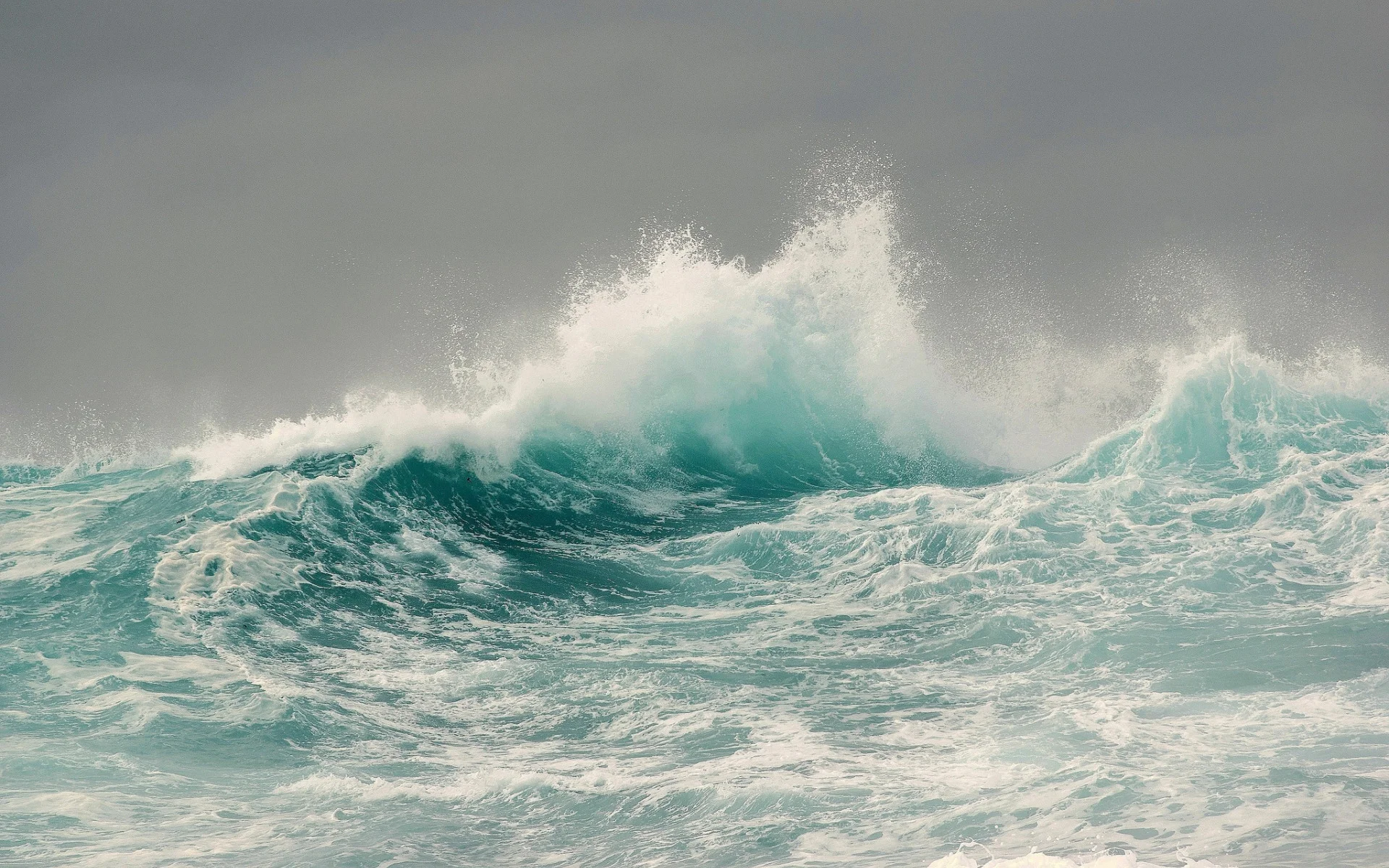
ENVIRONMENT - Waves the height of houses, dark nights, storms, sweltering heat, 3 miles of ocean below the tiny 6m long boat.
MAINTENANCE - Self-reliant for repairs. Had to get off the boat to clean the underneath whilst avoiding the sharks and whales that inhabit the ocean, both of which Victoria saw first hand!
MENTAL - Whilst this was a physical challenge, it was also just as much a mental one. A truly ‘solo’ mission with the race being unsupported. Sleep deprivation caused hallucinations and added to the difficulty of normal tasks.
PHYSICAL - Hands, bottom and lower back all suffered badly. Inevitable weight loss and muscle loss from calves and feet.
NUTRITION - Sustenance came in the form of freeze dried food and up to 5 litres of water each day. No hot meals could be made on storm days. All drinking water had to be processed by Victoria during the trip.